
PU Composite Profiles
PU Composite Profiles
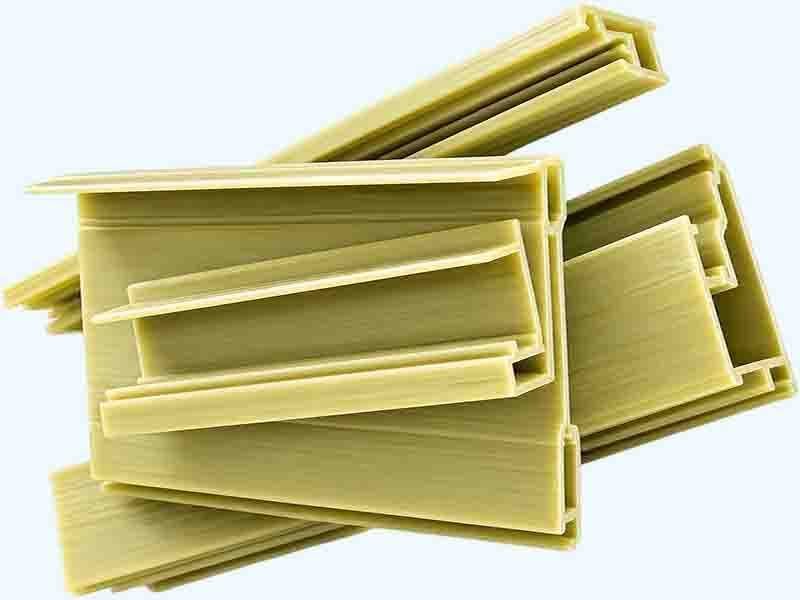
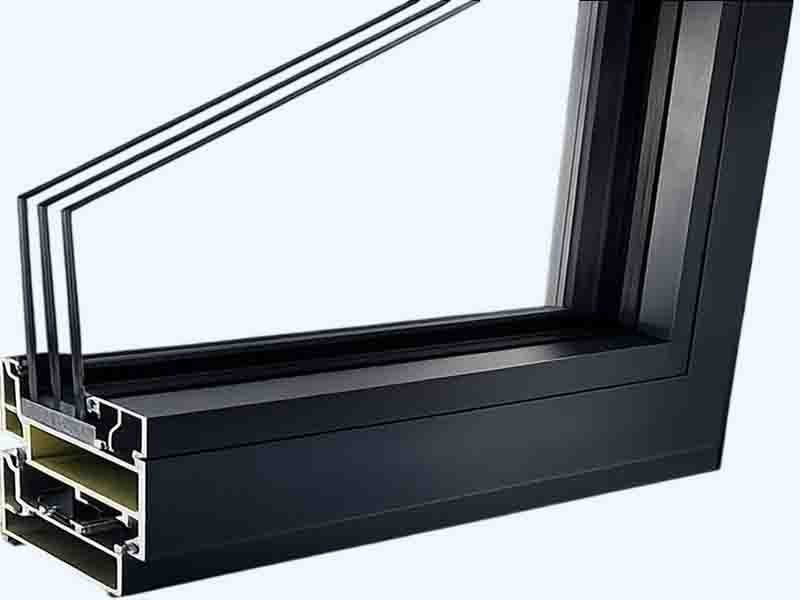
Building envelopes, thermally sensitive assemblies, and dimensional-stability-critical structures commonly evaluate PU composite profiles when thermal behavior, structural rigidity, and environmental durability are important design considerations. Product selection frequently depends on profile geometry, installation requirements, connection methods, and project-specific performance priorities.
Different profile configurations are commonly evaluated according to structural function, assembly requirements, and environmental exposure conditions throughout the intended service environment.
Quick Selection — PU Composite Profiles
| Application Scenario | Recommended Product Series | Primary Evaluation Focus |
|---|---|---|
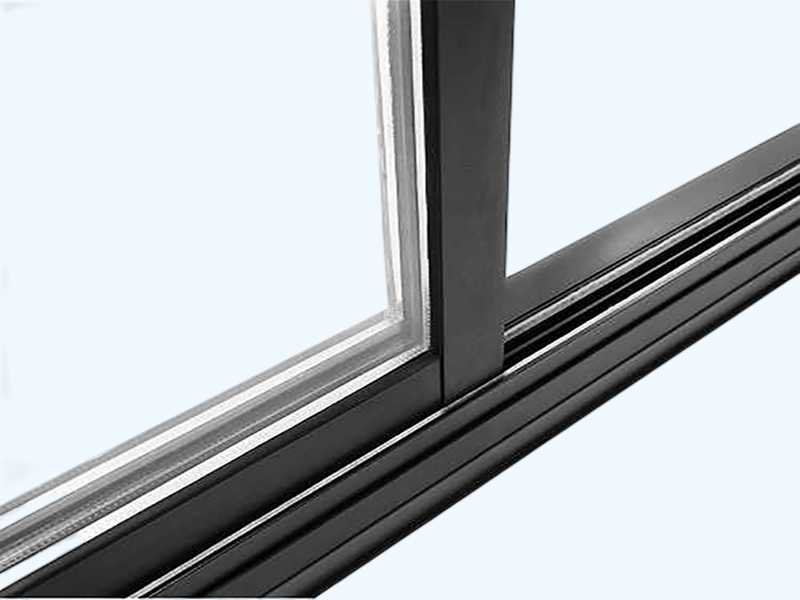
| Window framing systems | PU Window Profiles | Thermal behavior, dimensional stability, glazing integration considerations |
| Door frame assemblies | PU Door Profiles | Structural rigidity, fastening interfaces, installation requirements |
| Thermally separated façade systems | Thermal Break Profiles | Thermal separation requirements, assembly compatibility, system integration |
| Curtain wall assemblies | Curtain Wall Profiles | Load transfer pathways, connection detailing, façade integration considerations |
| Industrial enclosure systems | Structural PU Profiles | Section geometry, support requirements, environmental exposure considerations |
| Specialized engineered assemblies | Custom Pultruded Profiles | Cross-sectional configuration, manufacturing feasibility, project-specific requirements |
Frequently Evaluated Considerations
Profile selection commonly involves evaluation of thermal behavior, dimensional stability, structural rigidity, assembly compatibility, environmental exposure conditions, and installation requirements. Detailed profile geometry, mechanical characteristics, manufacturing tolerances, and project-specific engineering documentation are provided within individual product-series assets.
Profile Product Categories
Profile selection frequently depends on assembly requirements, thermal-performance objectives, interface conditions, and project-specific design priorities. The following profile categories provide detailed information for individual profile configurations and integration scenarios.
Products