
FRP Access Components
FRP Access Components
Industrial facilities commonly evaluate FRP access components when personnel movement, equipment access, and operational maintenance requirements influence system selection decisions. Different access-system configurations are commonly assessed according to facility layout and operating conditions.
Access-system planning commonly depends on circulation requirements and operational accessibility considerations.
Frequently Evaluated Considerations
- Personnel-access requirements
- Movement-path configuration
- Maintenance-access planning
- Guarding-system requirements
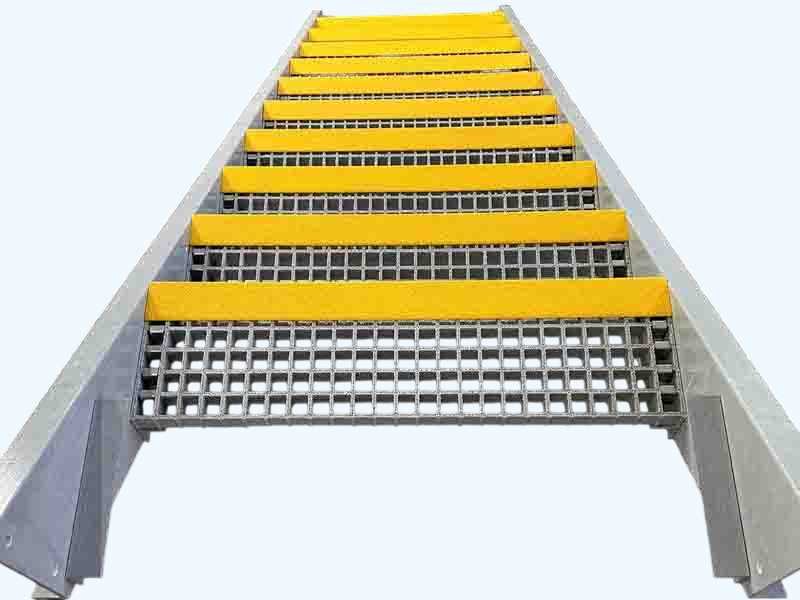
- Vertical-access considerations
- Facility-layout constraints
Quick Selection — FRP Access Components
| Application Scenario | Recommended Product Series | Key Consideration |
|---|---|---|
| Elevated access routes | Walkway Systems | Pedestrian circulation considerations |
| Working platforms | Platform Systems | Operational-access requirements |
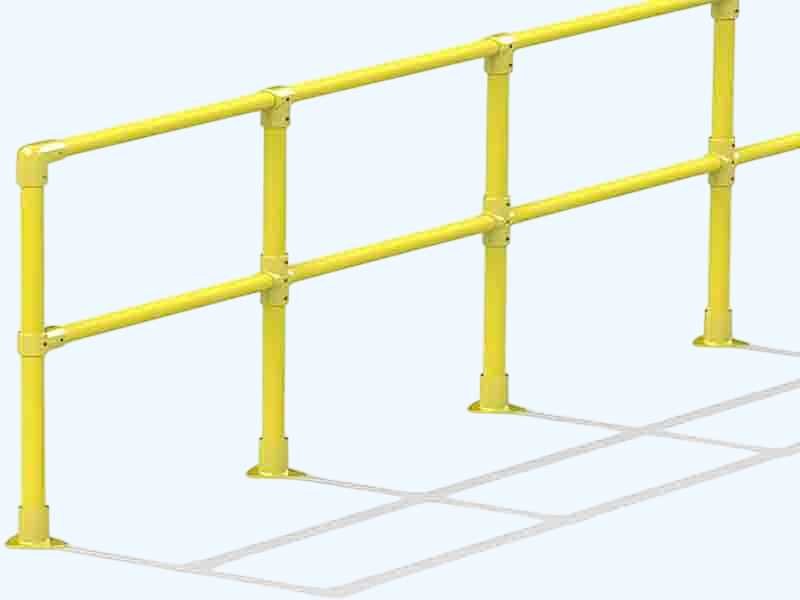
| Perimeter protection | Handrail Systems | Guarding configuration considerations |
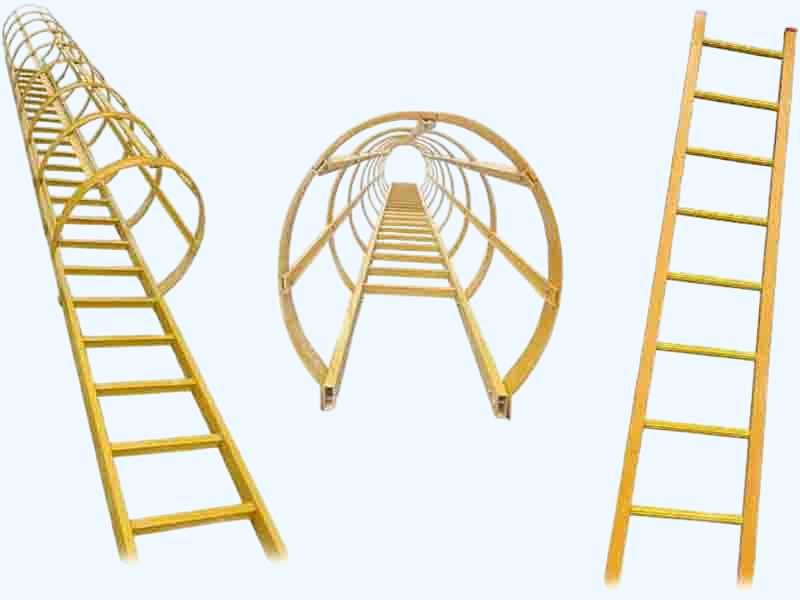
| Vertical access routes | Ladder Systems | Access-frequency requirements |
Access System Categories
Access-system requirements vary according to personnel movement patterns, elevation changes, workspace layouts, and maintenance accessibility considerations. The following product categories provide application-specific information for commonly specified access and support system configurations.
Products